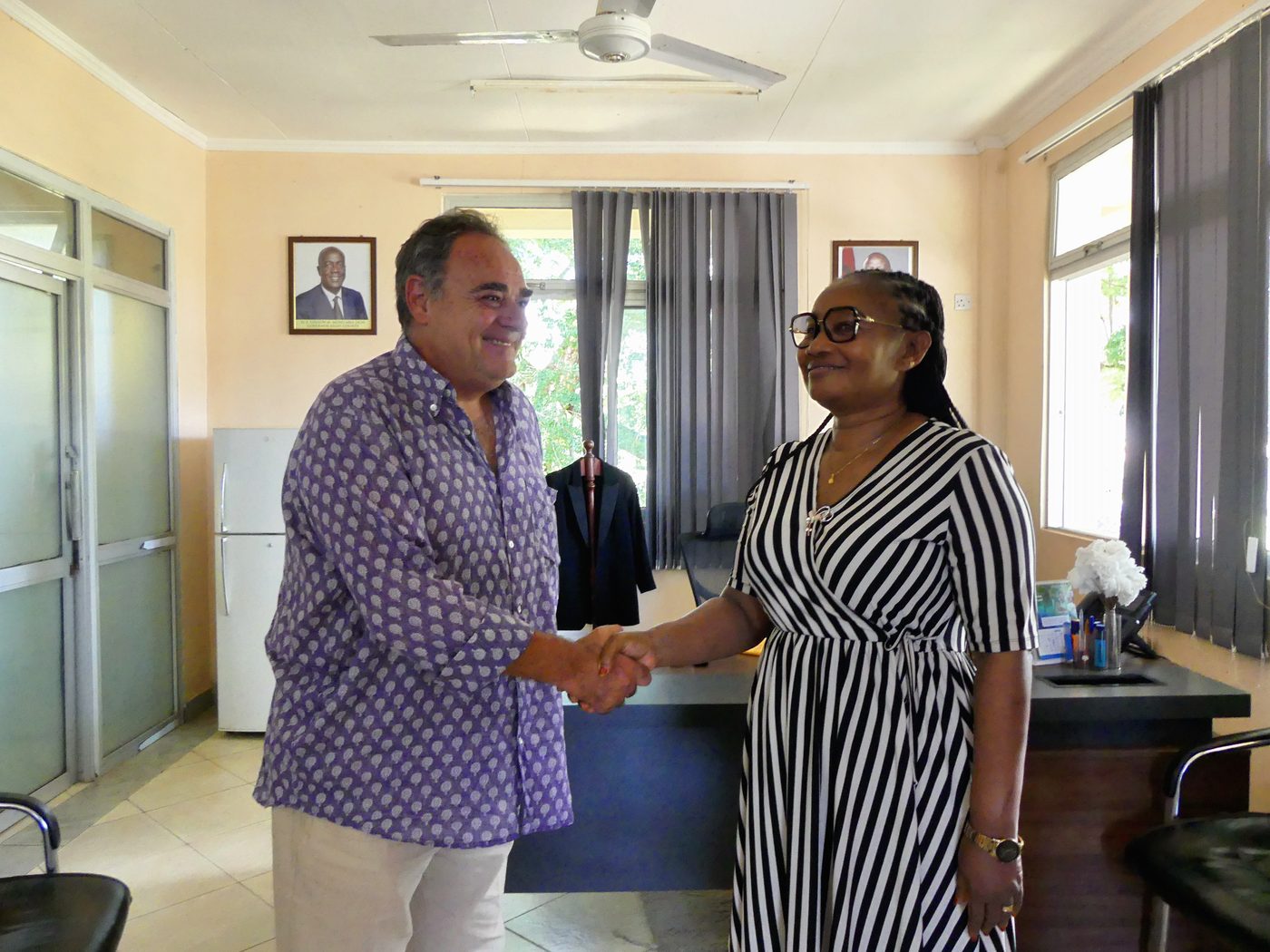
Before the first truck moved, KEWASTE met the institutions involved, starting with Watamu Municipality, the County of Kilifi and the Governor, to agree a shared plan for Watamu.
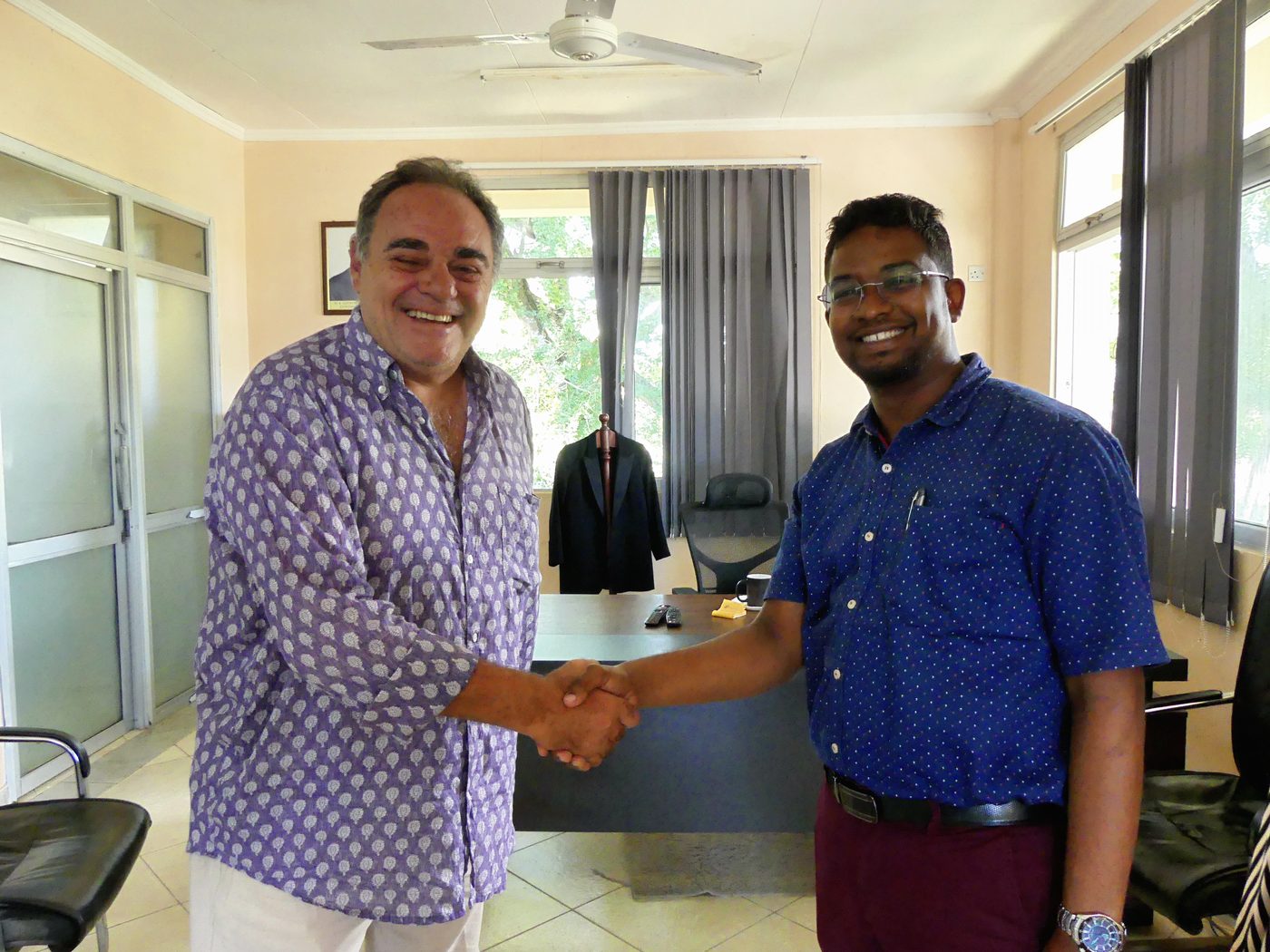
KEWASTE met the Governor of Kilifi County and, separately, the County officials responsible for waste. The result: collection in Watamu became a shared public responsibility, not only a private contract.
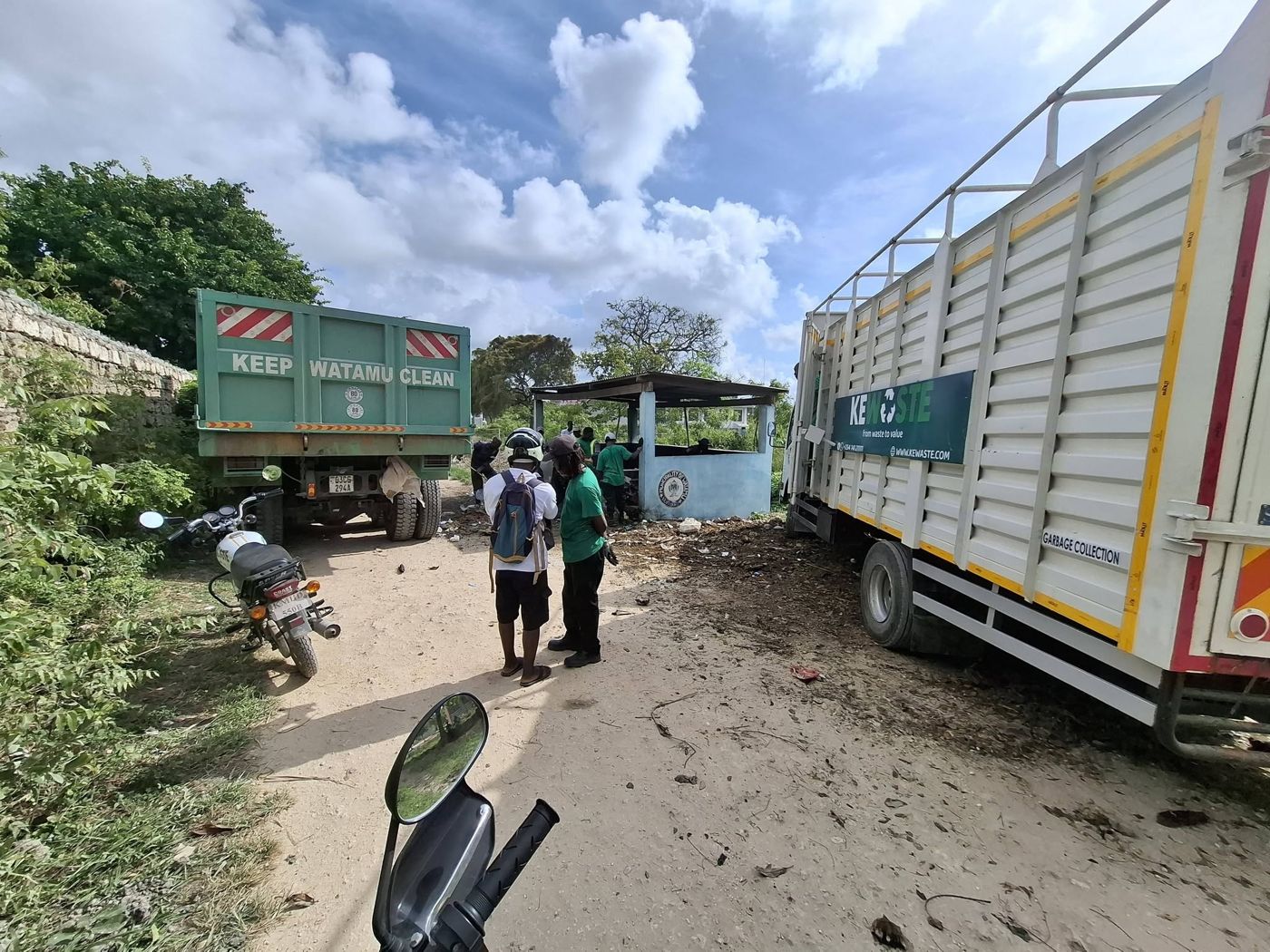
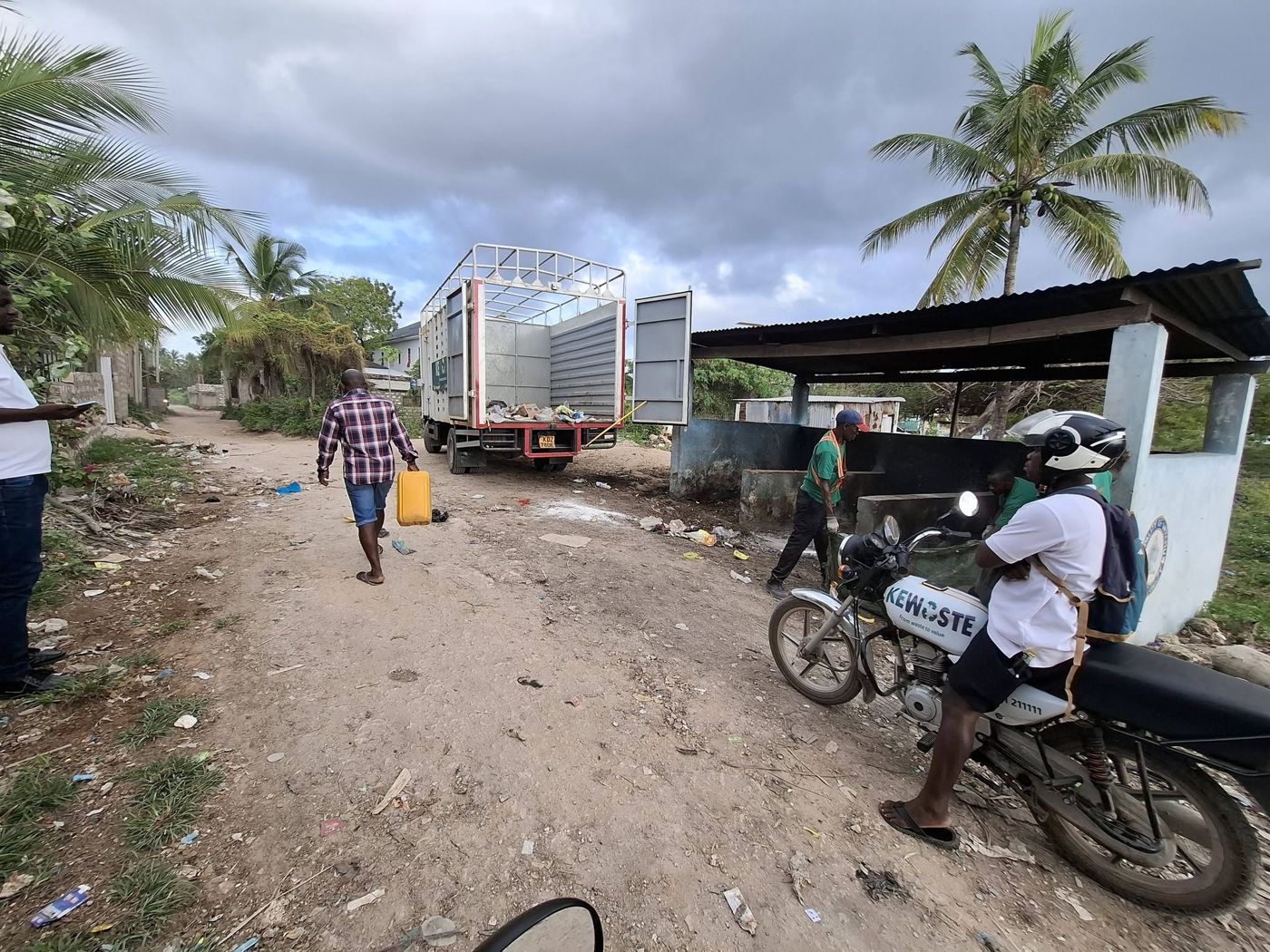
The agreement. KEWASTE empties the public street bins in Watamu town with 2 Piaggio tuc-tucs and their operators, on a fixed schedule, on top of door-to-door collection for signed-up properties. This public service is free of charge for the community.
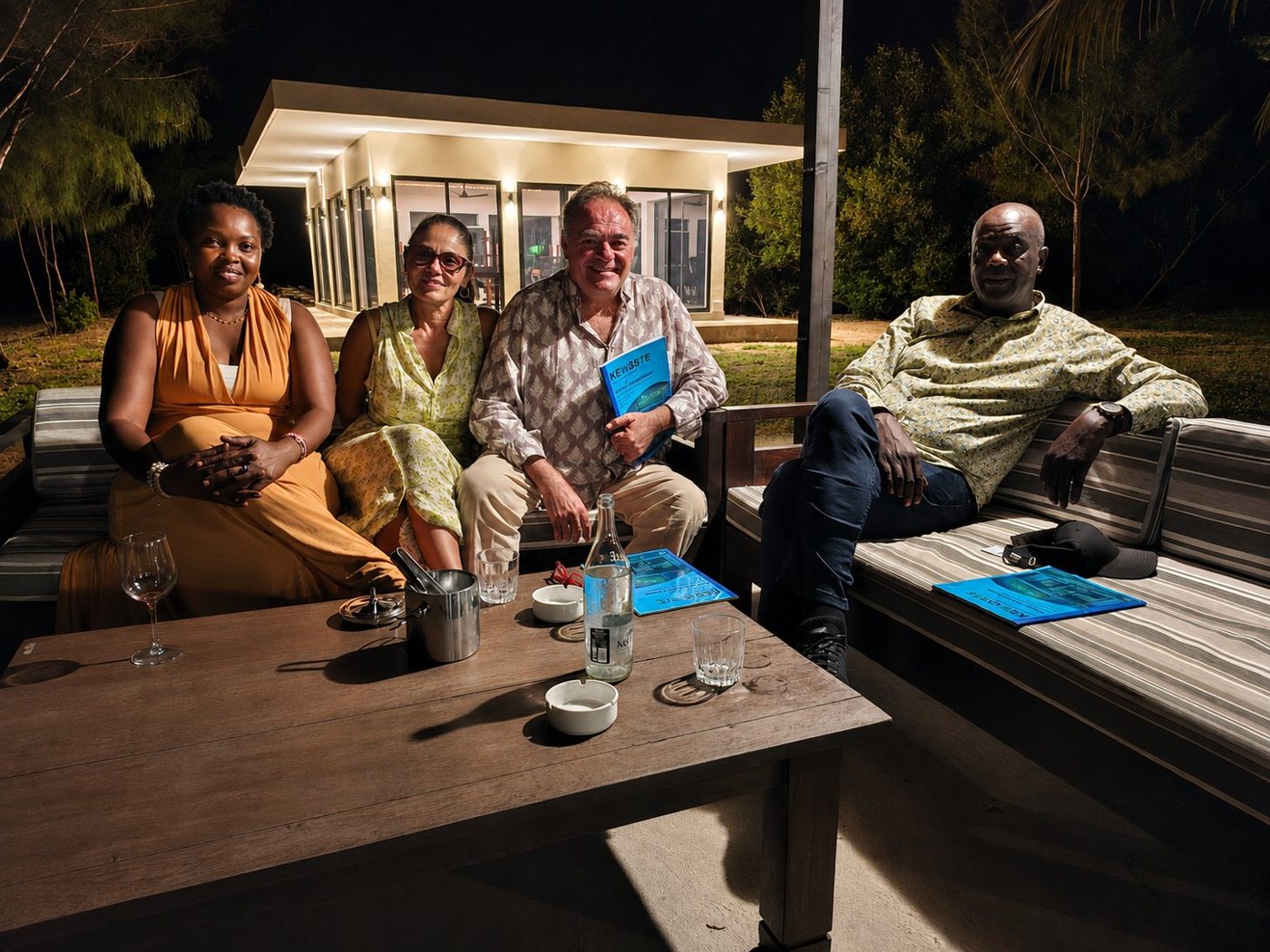
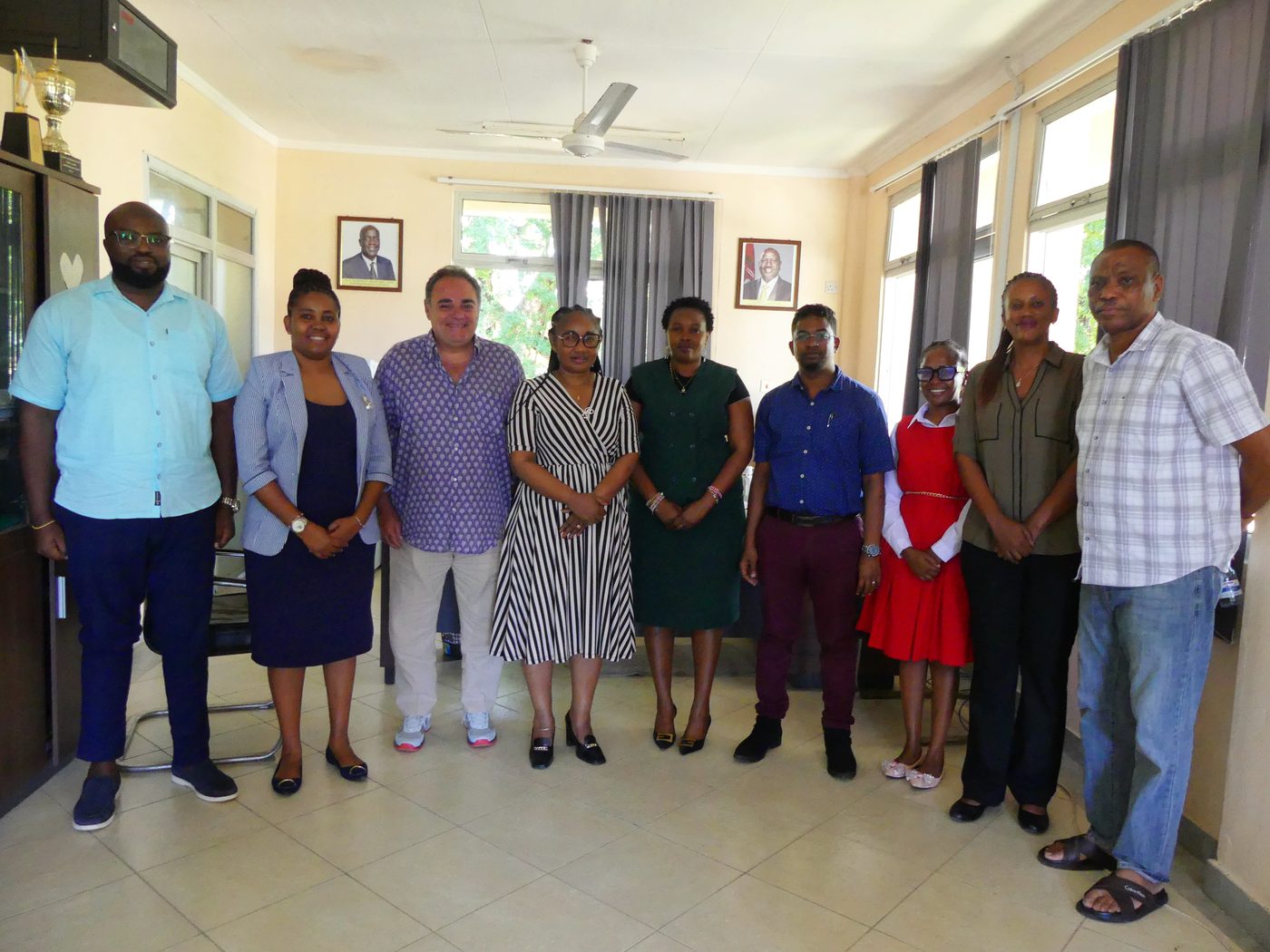
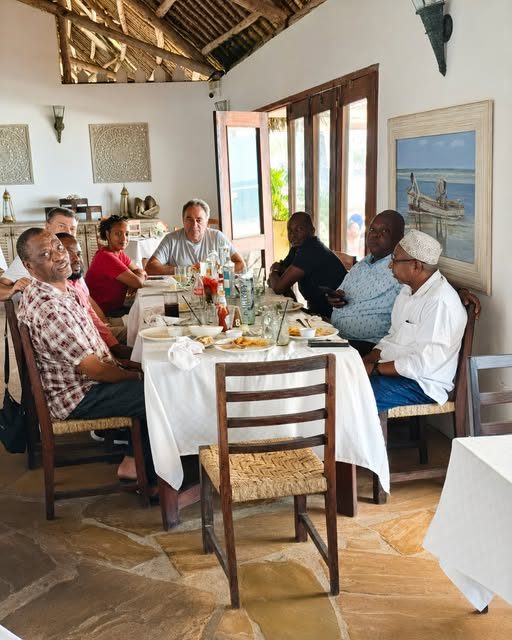
A working lunch with the Municipality's officials and community representatives, because the people who live here should shape a service built for them.
We discussed where collection is needed most, how the public street bins fit the town's plans, and how our schedule matches the Municipality's priorities.
KEWASTE could have built its own sorting and recovery plant. Registree's know-how was too valuable to duplicate, so KEWASTE chose to fund the expansion of Registree's facility instead: new machinery and equipment, to turn it into a complete centre able to receive and process everything KEWASTE collects.
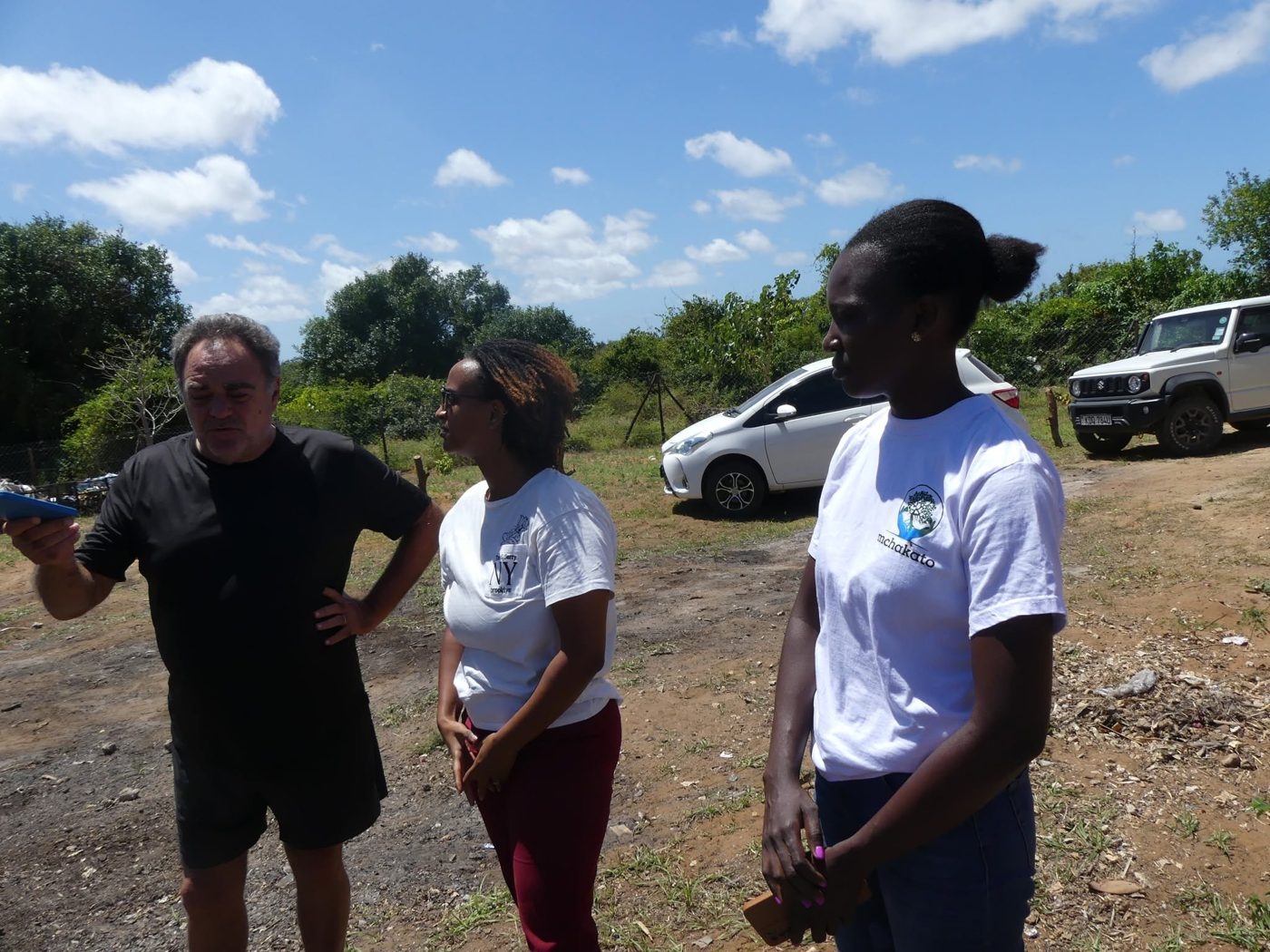
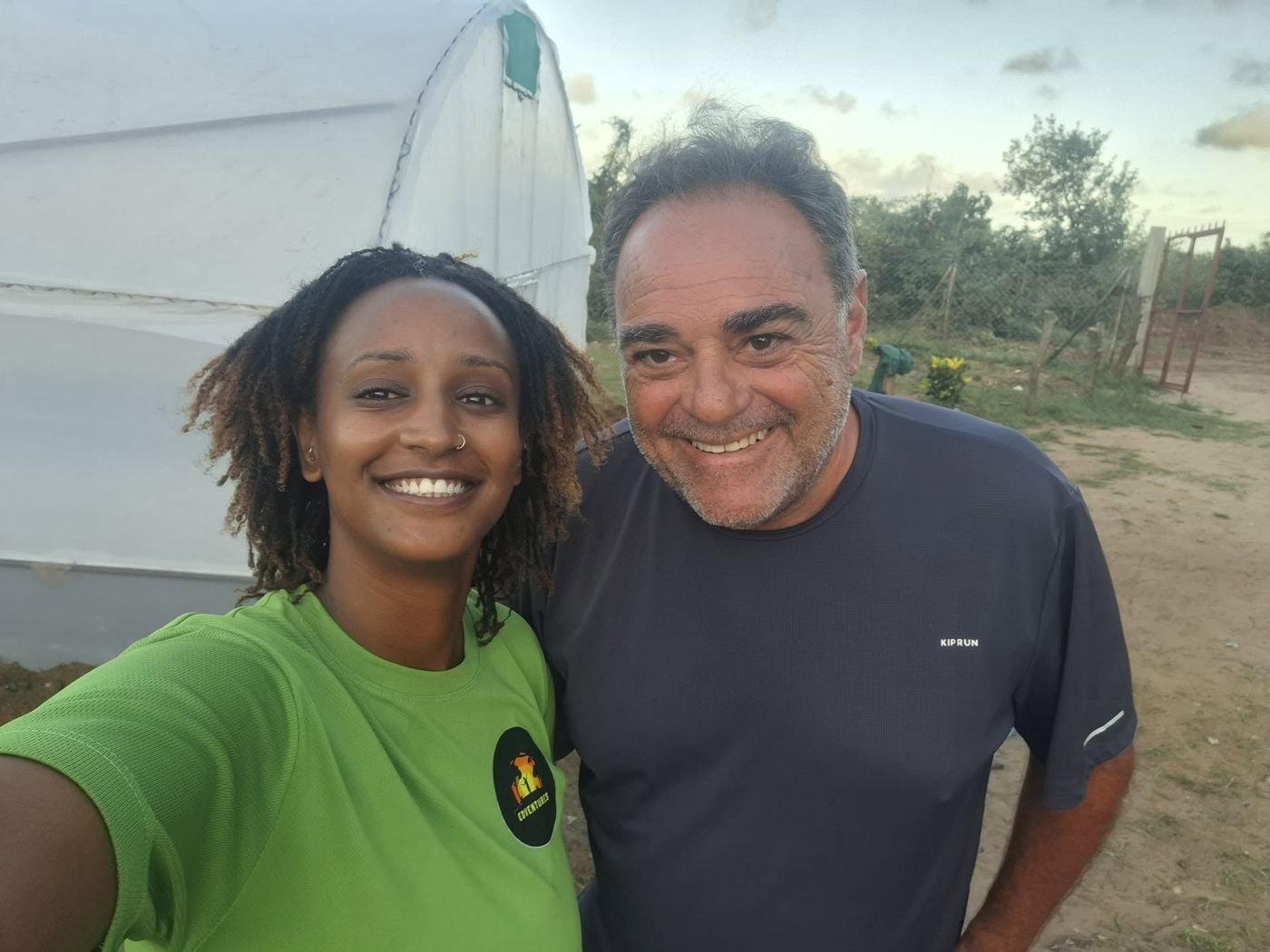
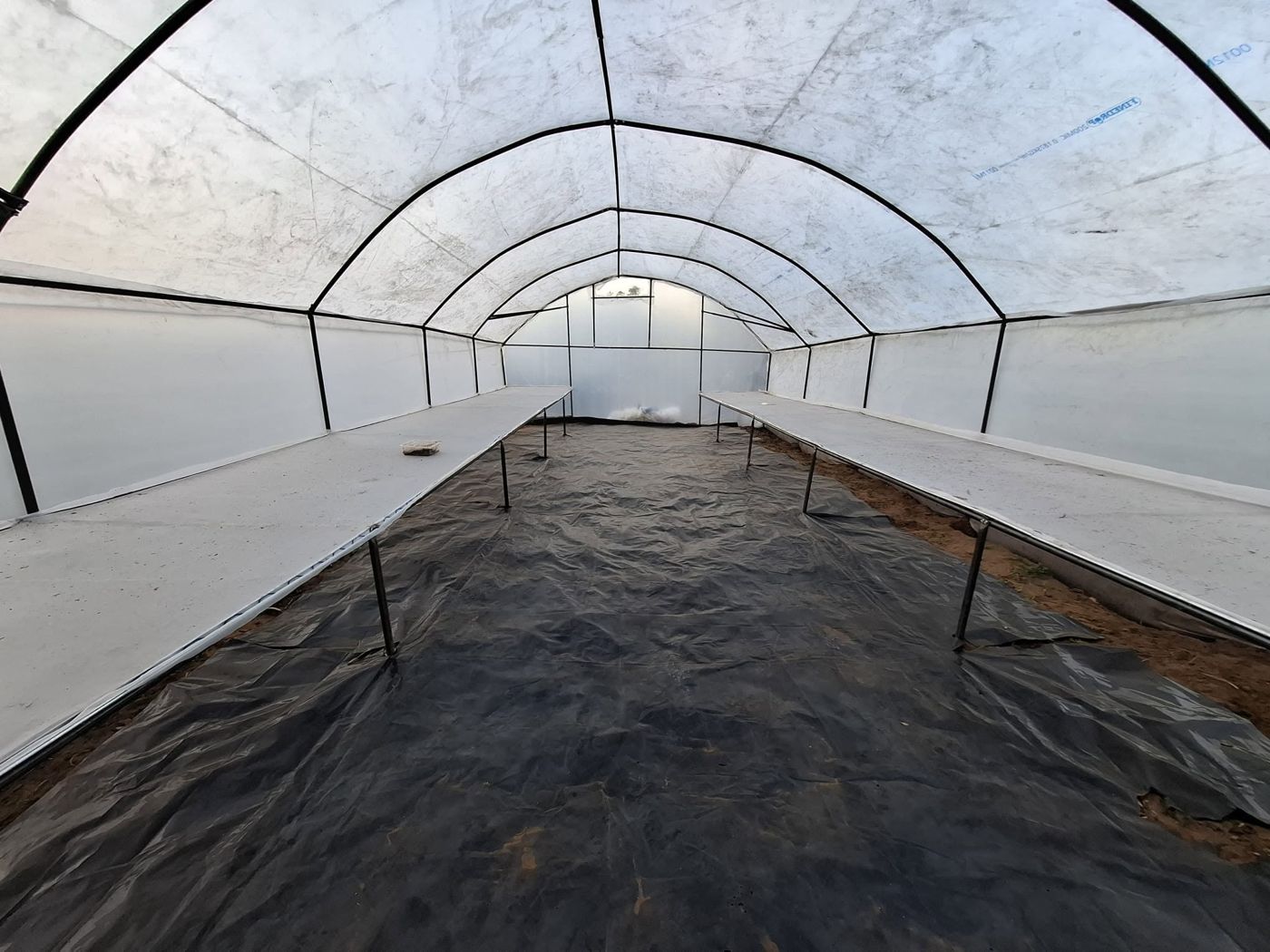
New dryers, a solar power system, a new processing yard and other improvements, for more capacity and better recovery.
Registree already runs Black Soldier Fly processing, turning organic waste into animal feed and fertiliser.
Less waste to landfill, local skills kept local, and new jobs on both sides. See the project
KEWASTE is NEMA-certified and authorised by the County of Kilifi. Every invoice is a KRA eTIMS invoice, so the chain from your gate to Registree can be traced. Only around 10 to 15% of what we collect reaches landfill.
Institutions, community groups and businesses: if you want a say in how Watamu handles its waste, talk to us.